Moving to Valencia with Children: Steps, School, Health
Landed in Valencia with children after the May school window? If you hold a non-EU visa for more than six months, request the TIE in person within one month of entering Spain. Register on the padrón. Then use the extraordinary or continuous phase for a school place. SIP registration needs the padrón.
Also in: Deutsch
On this page
- What order should a family follow?
- Which school year will your children join?
- What if you arrive after the May window?
- What school proof does your first renewal ask for?
- When do the children join the health system?
- How much money does a family of four need for a non-lucrative visa?
- Step by step
- Common questions
What order should a family follow?
Take the steps in this order.
- Non-EU family members: request the TIE in person within one month of entering Spain, if your visa or authorisation is for more than six months. In Valencia city, non-EU cards are issued at the Comisaría de Patraix, C/ Dels Gremis, 6.
- Register on the padrón. Everyone who lives in Spain must register in the municipality where they usually live.
- Register each person in SIP. On the standard route, you state your habitual residence in a Valencian municipality, which requires being on its padrón.
- Request a school place for each child, using the phases below.
- Choose a paediatrician, if the family is insured or a beneficiary of the National Health System and holds the SIP card.
Book the padrón as a family: València gives one appointment per person unless the people are a family unit. The empadronamiento guide covers documents and offices.
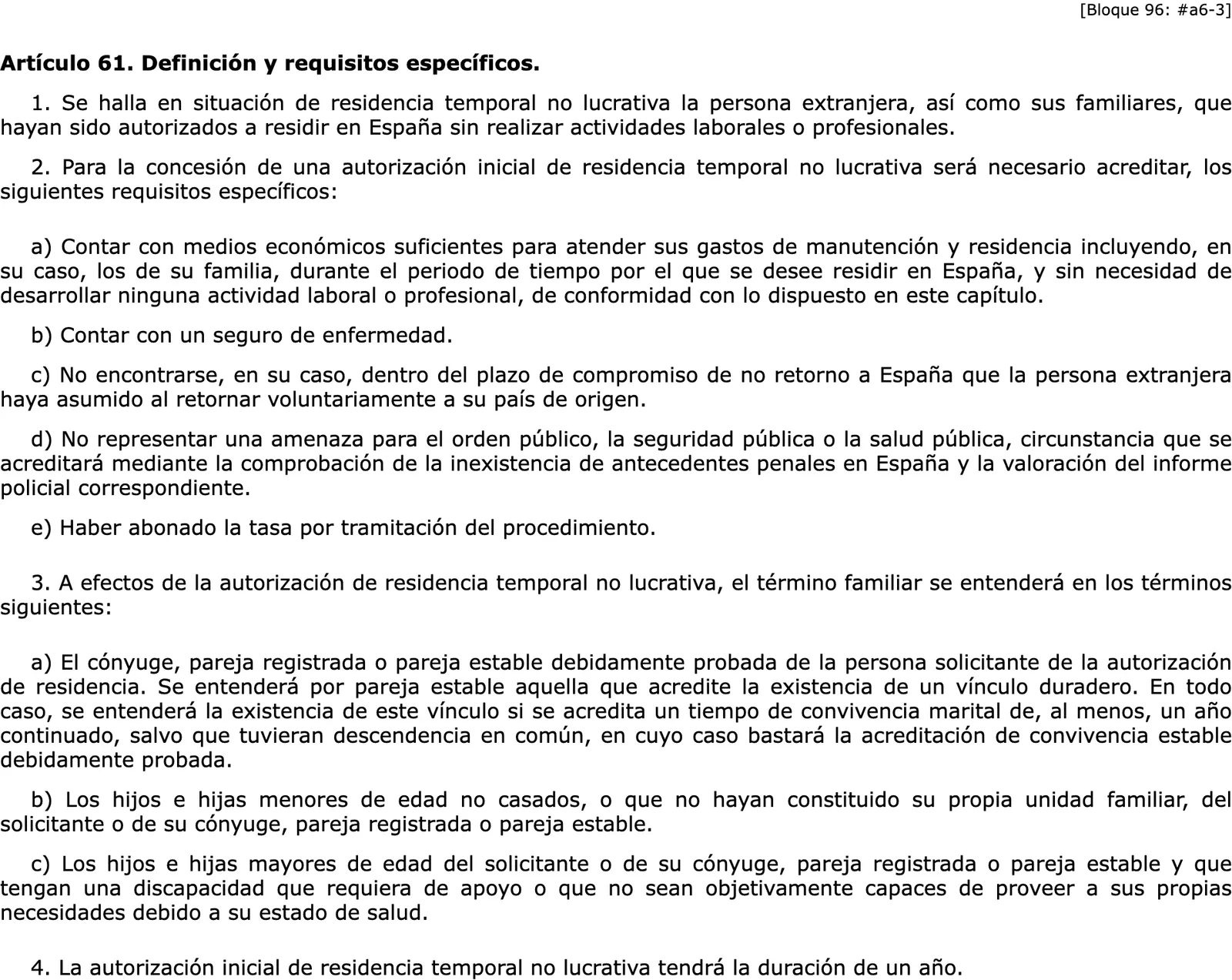
For a non-lucrative application, family includes the spouse, registered partner or duly proven stable partner. It also includes the unmarried minor children, or minors who have not formed their own family unit, of the applicant or of their spouse or partner. The TIE guide covers the card.
Which school year will your children join?
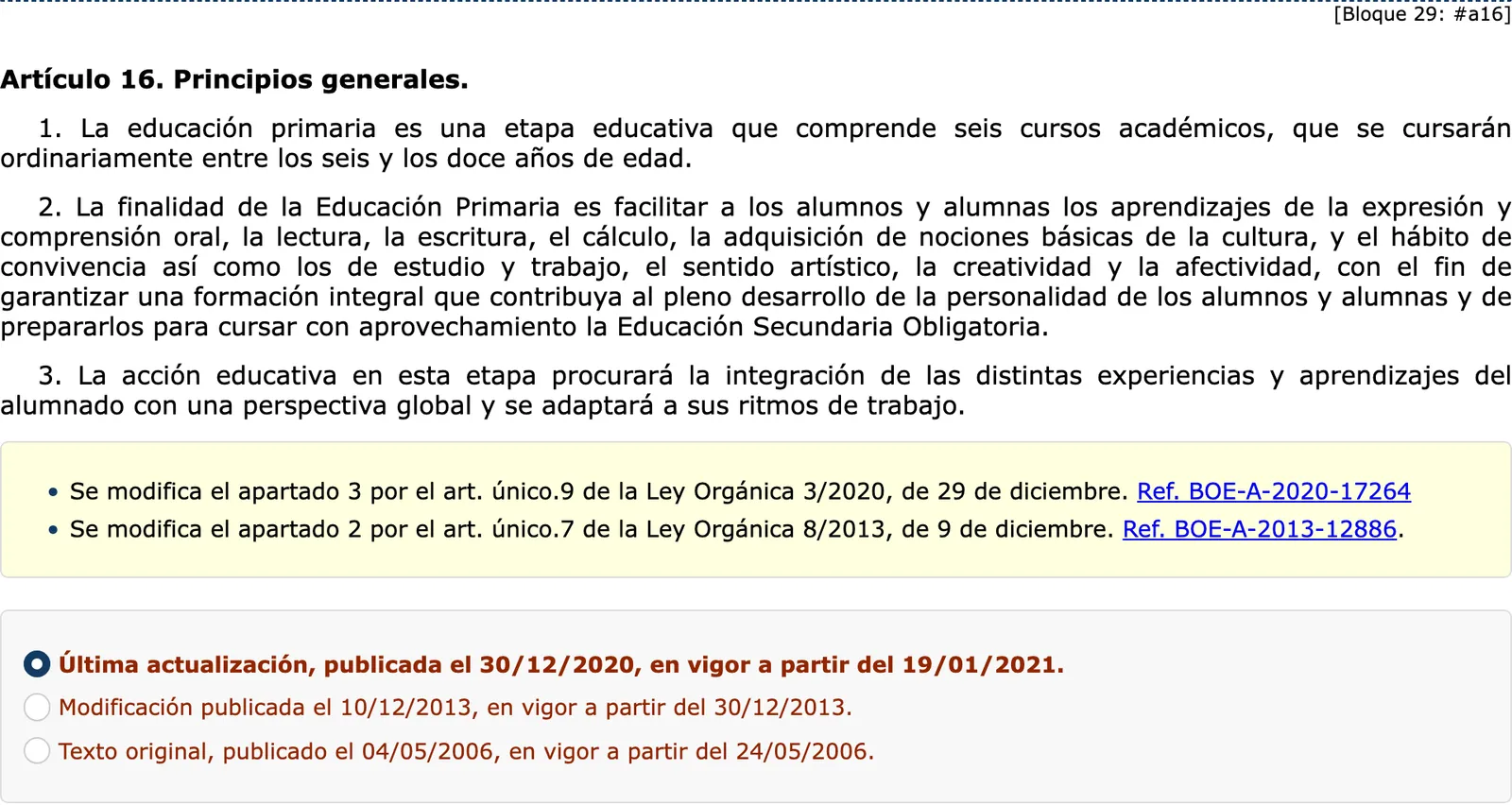
The education law gives age bands, not a birth-year table.
| Stage | Ordinary ages |
|---|---|
| Infantil, second cycle | three to six |
| Primaria, six courses | six to twelve |
| ESO, four courses | twelve to sixteen |
A pupil who joins part-way through is placed in the most suitable year, based on circumstances, knowledge, age and academic record, with support. Placement looks at the academic record, so bring school reports from the previous school.
What if you arrive after the May window?
Two later phases exist. For 2026-2027, applications for Infantil and Primaria ran from 7 to 18 May. ESO and Bachillerato applications ran from 21 May to 1 June.
These admission rules cover public and concertado (state-funded private) schools. The process has three phases: ordinary, extraordinary and continuous. The one that matches your arrival applies.
If you could not apply in the ordinary period
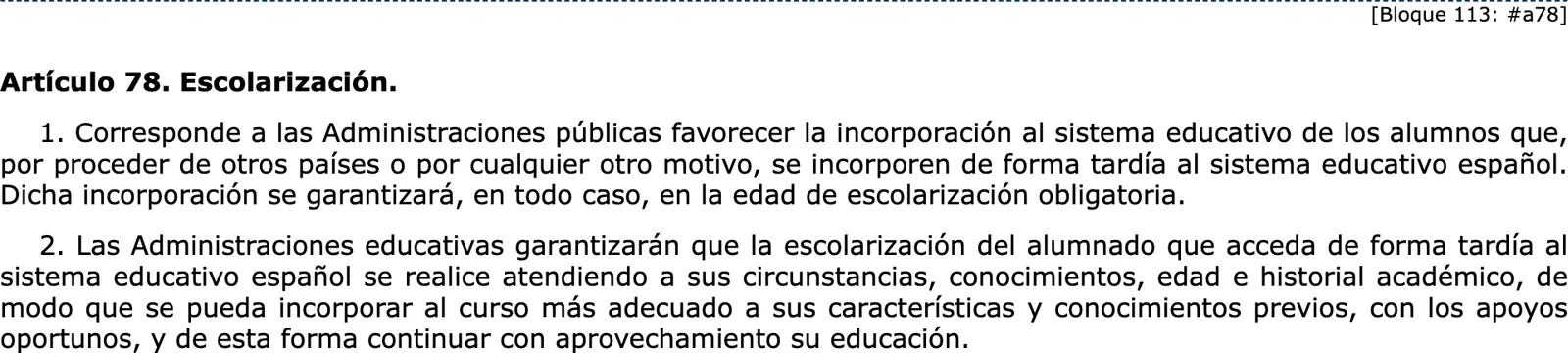
Pupils who need a place unexpectedly in the locality and could not apply in the ordinary period may take part in the extraordinary phase. That phase is for places left vacant after the ordinary phase. Pupils without a place after it go to the schooling commission, which offers a place at schools with vacancies.
If the school year has started
Pupils who need schooling unexpectedly once the school year has started follow the continuous phase. The urgent or special reasons include a move of the family’s residence from another locality and late entry into the education system. After the ordinary process ends, the territorial education directorate takes measures for pupils who need a place for urgent or special reasons.
At compulsory school age, the law guarantees pupils arriving from abroad entry into the school system. Ordinary-phase applications go online through Adminova. Signing the application counts as a declaración responsable (signed statement) that everything claimed is true and can be documented at enrolment. The public school guide covers points, documents and fees.
What school proof does your first renewal ask for?
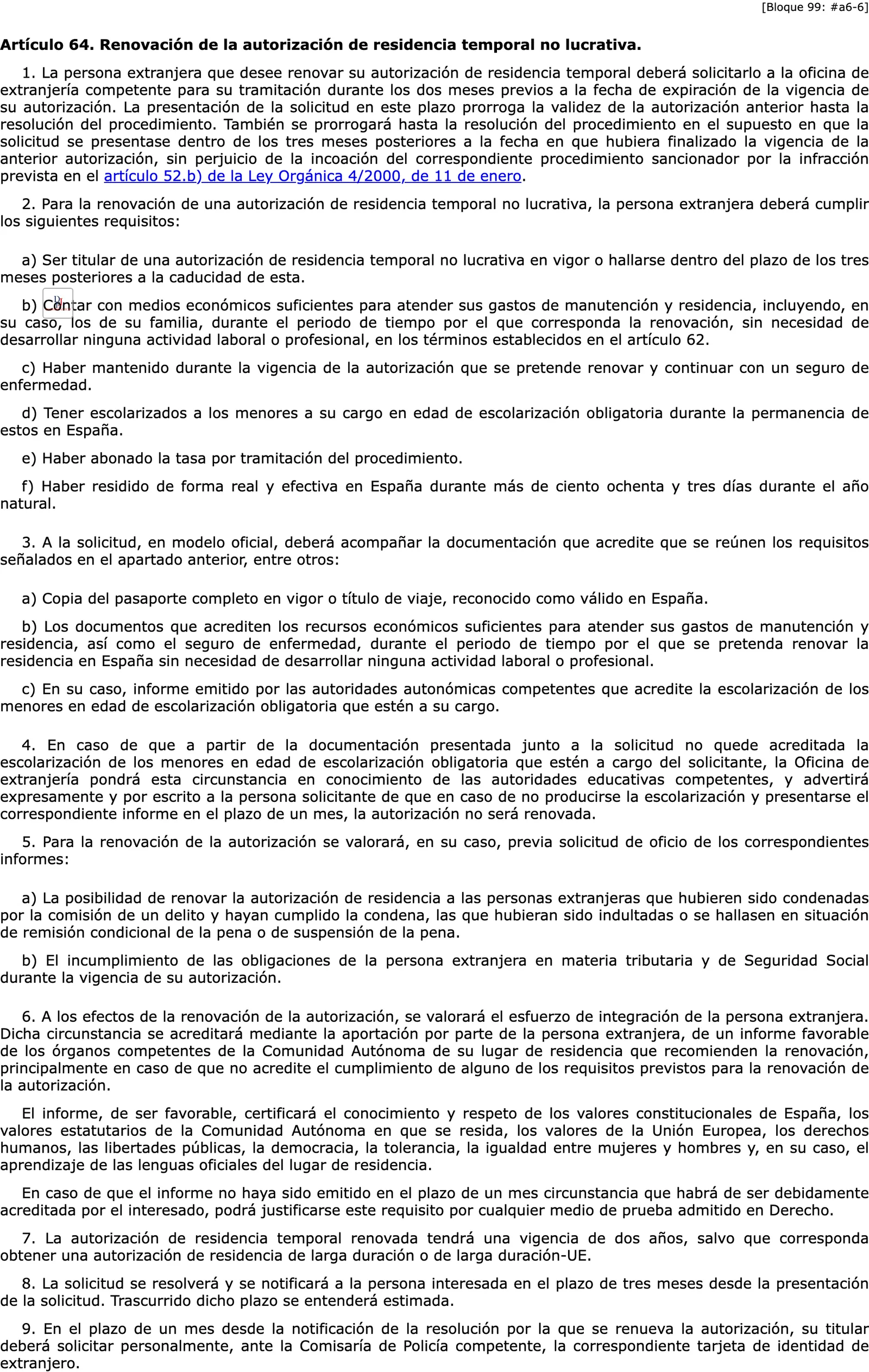
Renewal brings its own school check. Resident foreigners with children of compulsory school age must prove the schooling in their renewal application.
Los extranjeros residentes que tengan en España menores a su cargo en edad de escolarización obligatoria, deberán acreditar dicha escolarización, mediante informe emitido por las autoridades autonómicas competentes, en las solicitudes de renovación de su autorización o en su solicitud de residencia de larga duración.
Resident foreigners with minors in their care of compulsory school age must prove that schooling, with a report issued by the competent regional authorities, in their renewal applications or their long-term residence application.
BOE · Ley Orgánica 4/2000, art. 9.4
For non-lucrative renewal, the condition is that children of compulsory school age are enrolled while they are in Spain. If the papers do not show it, the office warns you in writing that without a school report within one month the authorisation will not be renewed. Enrol early: the renewal asks for the report.
When do the children join the health system?
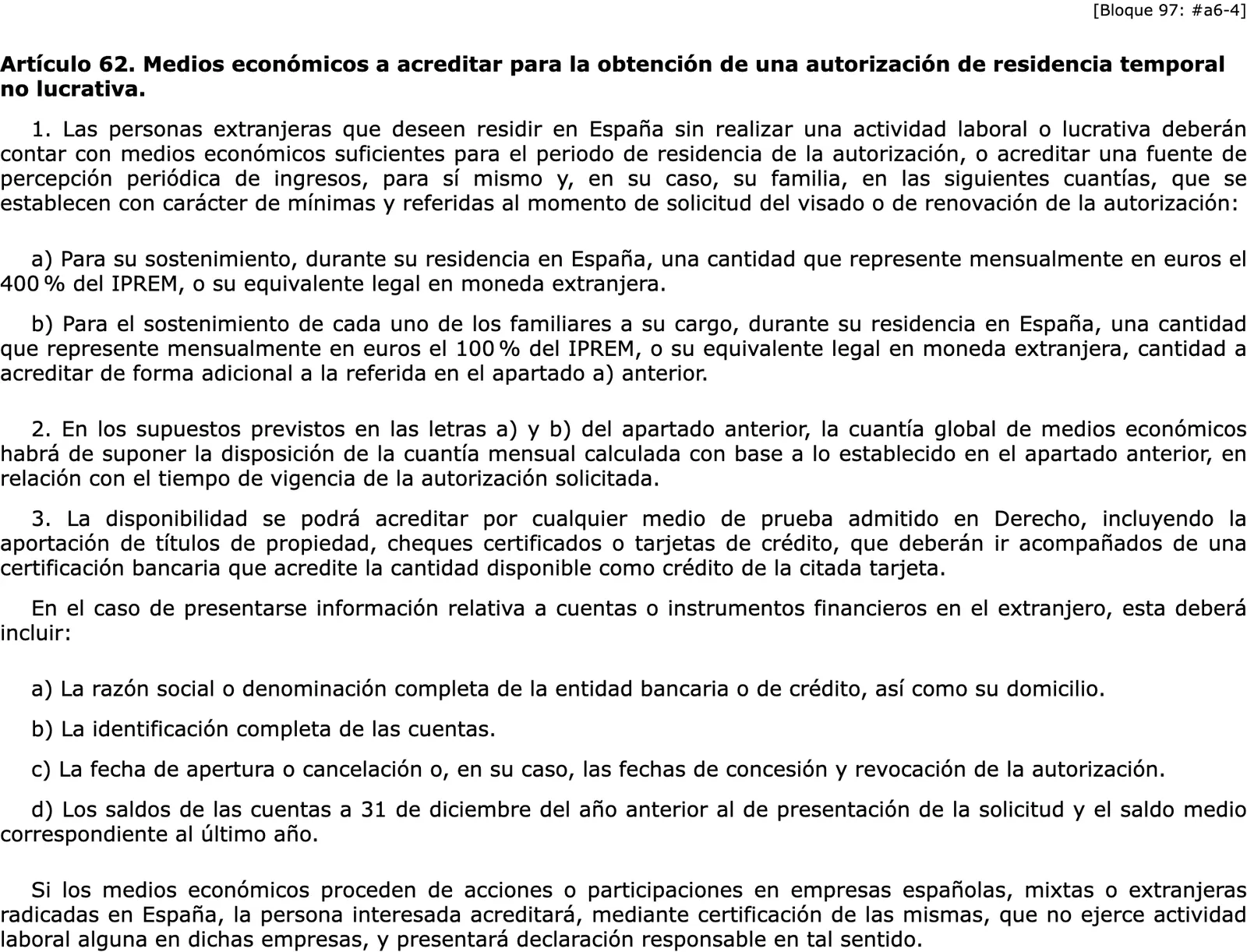
SIP comes first, the paediatrician second. Registration is open to anyone resident in the Comunitat Valenciana. It carries no fee. A family on private insurance only does not need the padrón certificate for the SIP number; it receives an inclusion document showing the SIP number.
Register online with a digital certificate or Cl@ve. Without them, go to the health centre nearest your home. After an online request, collect the health card or the inclusion document at the health centre for your place of residence.
To choose a paediatrician or centre, you must be an insured person or beneficiary of the National Health System and hold the SIP card. The head of the basic health zone resolves the request within 15 working days. You can file it throughout the year. The children’s healthcare guide is the next read, and the SIP card guide covers each route.
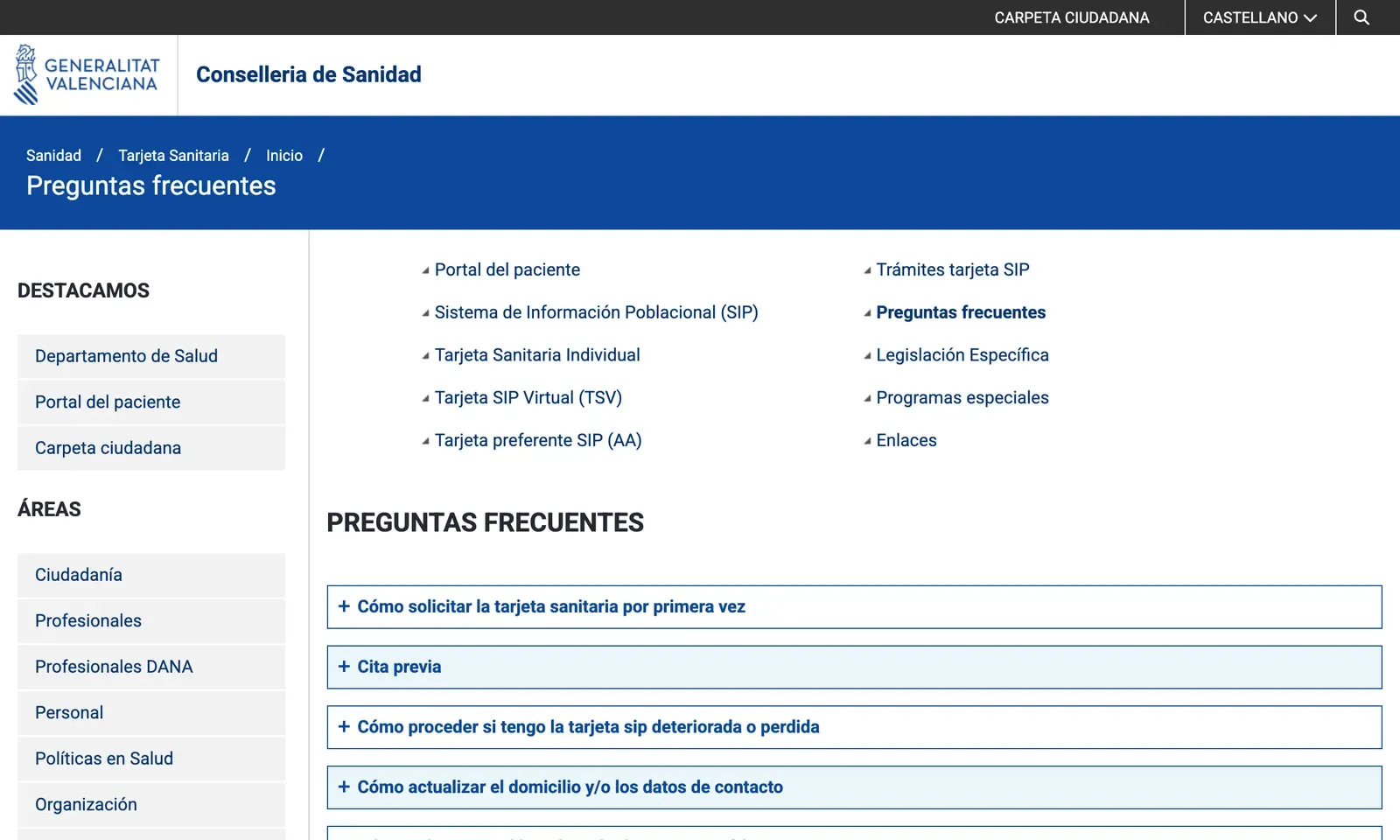
How much money does a family of four need for a non-lucrative visa?
The IPREM is €600 a month. The non-lucrative test is 400% of the IPREM a month for the holder. Each dependent family member adds 100%.
For a holder, spouse and two children, the monthly means come to €4,200. Twelve months come to €50,400. Both are totals worked out from the two percentages. The non-lucrative visa guide has the table for one to four people.
Step by step
- Request the TIEApply in person within one month of entering Spain if your visa or authorisation is for more than six months.
- Register on the padrónEveryone who lives in Spain registers in the municipality where they usually live; in València it is free.
- Register each person in SIPOn the standard route, state your habitual residence in a Valencian municipality, which requires being on its padrón. Private insurance only: you receive an inclusion document with the SIP number.
- Request a school placeAfter the May window, use the extraordinary phase or, once the year has started, the continuous phase.
- Choose a paediatricianChoosing needs insured or beneficiary status in the National Health System plus the SIP card; the request can be filed throughout the year.
Not confirmed: Which school year a child joins by birth year: the education law gives age bands, so ask the education directorate. The extraordinary-phase and continuous-phase dates for the current year are also unconfirmed. Public paediatrician access for a child on private insurance: ask the health centre.
Reach readers planning life in Valencia. Advertise → hello@settlevalencia.com
Common questions
Does a child have to be in school straight after arriving?
Yes, at compulsory school age. Foreigners under sixteen have the right and the duty to education, which includes basic, free and compulsory teaching. Primary ordinarily starts at six. Start the school request in your first weeks.
Is it one padrón appointment per family or one each?
València gives one appointment per person unless the people are a family unit. Book through the city website or call 010, 963100010 or 962081104. Padrón procedures at the Ajuntament de València are free.
What if no school near home has a place?
After the extraordinary phase ends, pupils without a place must go to the schooling commission, which offers a place at schools with vacancies. At compulsory school age, the law guarantees pupils arriving from abroad entry into the school system.
When do I have to request the TIE?
Personally, within one month of entering Spain, when your visa or authorisation is for more than six months. In Valencia city, non-EU cards are issued at the Comisaría de Patraix.
Does the SIP card cost anything?
No. The SIP registration procedure carries no fee. You register online with a digital certificate or Cl@ve, or go to the health centre nearest your home.
What does the first renewal check about school?
Proof that children of compulsory school age are in school, through a report from the regional authorities. On a non-lucrative renewal, if the papers do not show it, the office warns you in writing that without the report within one month the authorisation will not be renewed.
Read next
General information checked against the sources listed above, not legal advice for your situation. Rules and office practice change; confirm with the immigration office or a licensed adviser before you act. See how guides are checked.
Spotted an error? Report it.